

15,000 + Plants in every jar
100% Australian made
From seed to jar. Our microgreens products are planted, nurtured, harvested and packaged by us.
Chemical + pesticide free
Every plant is grown free from harmful chemicals and pesticides, with zero additives.
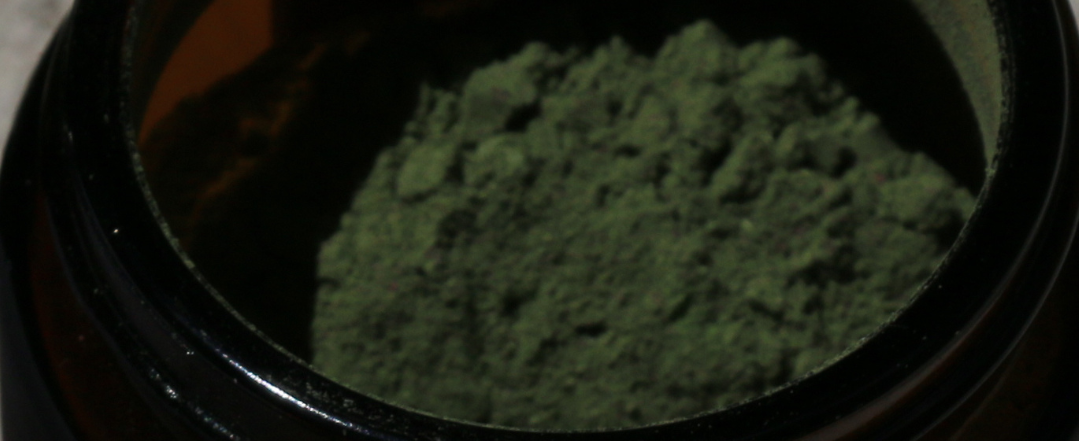
Microgreens
plural noun. mi·cro·greens | \ ˈmī-krō-ˌgrēnz \ "A young, edible plant harvested just after the first true leaves have developed. Microgreens are grown from a variety of vegetable, herb, or grain seeds and are used as a flavourful and nutrient-dense ingredient."
Amplified Plant Power
Microgreens are young vegetable greens that contain higher concentrations of vitamins, minerals, and antioxidants compared to their mature counterparts. Their compact size doesn't compromise their nutritional value, making them a potent addition to meals.
From Soil to Cell Support
These tiny greens are rich in essential nutrients like iron, potassium, and zinc. Incorporating a variety of microgreens into your diet can contribute to overall nutritional diversity and support general well-being.
Antioxidant-Rich Whole Food
Microgreens are packed with antioxidants, including polyphenols, which play a role in protecting the body against oxidative stress. Regular consumption can be a valuable part of a balanced diet aimed at maintaining health.


Broccoli
Broccoli microgreens naturally contain sulforaphane, along with vitamin C, folate, and vitamin K. These nutrients are part of what makes broccoli one of the most researched plant foods in nutrition science.

Red Amaranth
Red amaranth provides naturally occurring iron, vitamin E, and potassium. Its vivid colour is due to plant-based pigments, and it offers a broad spectrum of micronutrients known to support a nutrient-rich diet.

Kohlrabi
Kohlrabi microgreens are a source of natural fibre, vitamin C, and B vitamins. These nutrients are commonly found in cruciferous vegetables and are part of what makes this group of plants a valued inclusion in whole-food nutrition.

Kale
Kale microgreens contain a range of naturally occurring vitamins and minerals, including A, C, and K, along with antioxidant compounds such as lutein and beta-carotene. These compounds are found in many leafy greens and are widely appreciated for their nutritional value.

The easiest way to eat more green.